
Care Before Arrival
Emergency medical services are an important part of many healthcare systems around the world. In some situations, medical care may begin before a patient arrives at a hospital through the work of trained emergency personnel and organized response systems. Understanding how these services operate can help explain the role of early emergency response within healthcare.
What Is Prehospital Care?
Prehospital care refers to medical attention provided outside a hospital setting before a patient reaches a medical facility. This type of care may occur at the scene of an incident, during transport, or while waiting for transfer to another healthcare facility.
Emergency medical professionals are trained to assess patients, observe symptoms, gather information, and provide support based on their training and established protocols. Depending on the circumstances, early emergency response may help create continuity between the location of an event and the healthcare facility where further evaluation takes place.
The services provided before arrival at a hospital vary according to local healthcare systems, available resources, and the specific needs of the patient.
The Role of Ambulances
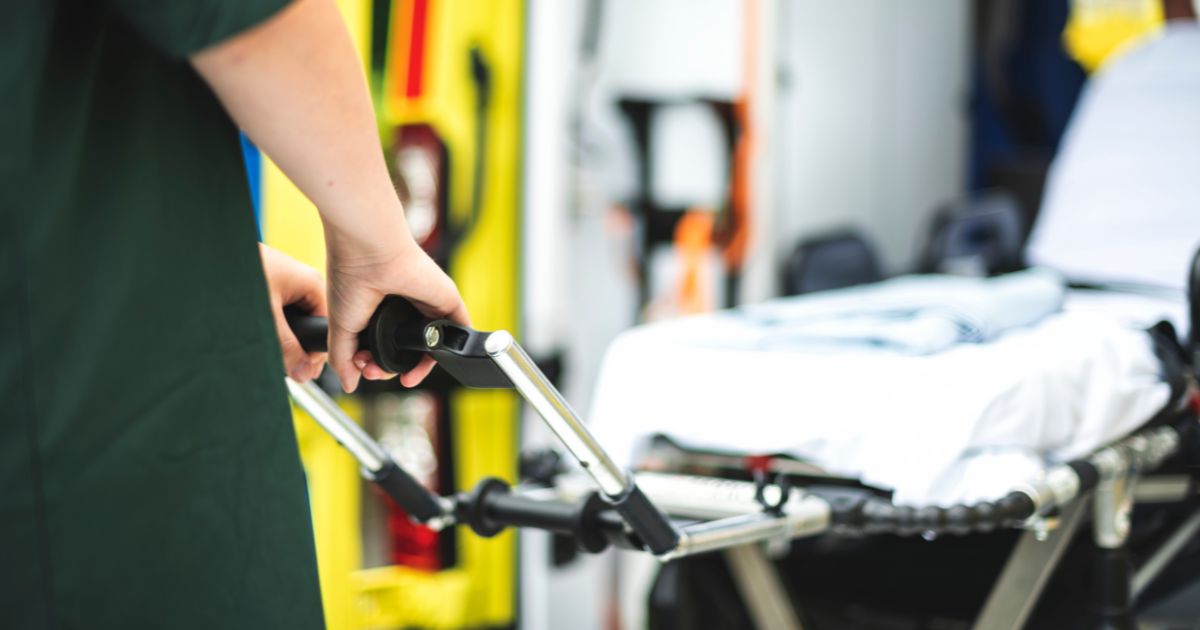
Ambulances are designed to transport patients while also supporting healthcare professionals during medical emergencies and patient transfers. These vehicles may contain monitoring devices, communication systems, medical supplies, and equipment used according to the patient’s condition and professional assessment.
Healthcare teams working in emergency transport settings may evaluate vital signs, observe changes in a patient’s condition, and communicate relevant information to receiving medical facilities. This process allows hospitals to prepare for patient arrival when necessary.
In many healthcare systems, early emergency response involves coordination between dispatch centers, emergency personnel, and hospitals to facilitate communication throughout the process.
Assessment and Monitoring During Transport
Patient assessment is an important part of prehospital care. Emergency personnel may gather information about symptoms, medical history, medications, allergies, and other relevant details. Monitoring may continue throughout transport depending on the individual’s condition.
Communication between healthcare professionals can support continuity of care. Information collected during transport may be shared with receiving teams to assist with ongoing evaluation after arrival at the hospital.
Because every situation is different, the type of care provided during transport varies according to professional judgment, established procedures, and patient needs.
Why Timely Assistance Matters
Emergency response systems are designed to provide assistance when urgent situations arise. While the level of intervention depends on each circumstance, timely access to trained professionals may support patient assessment and transportation when appropriate.
The concept of early emergency response is commonly discussed because healthcare often begins before a patient enters a hospital. The period between an incident and hospital arrival can involve important observations, communication, and support measures provided by emergency medical personnel.
A Coordinated Healthcare Process
Healthcare is often delivered through multiple stages. For some patients, care begins at the scene of an event, continues during transport, and proceeds within a hospital or healthcare facility. Emergency medical services help connect these stages through assessment, monitoring, and communication.
Understanding how emergency systems function provides insight into the broader healthcare process and the important role that prehospital care may play in supporting patient management before arrival at a hospital.