
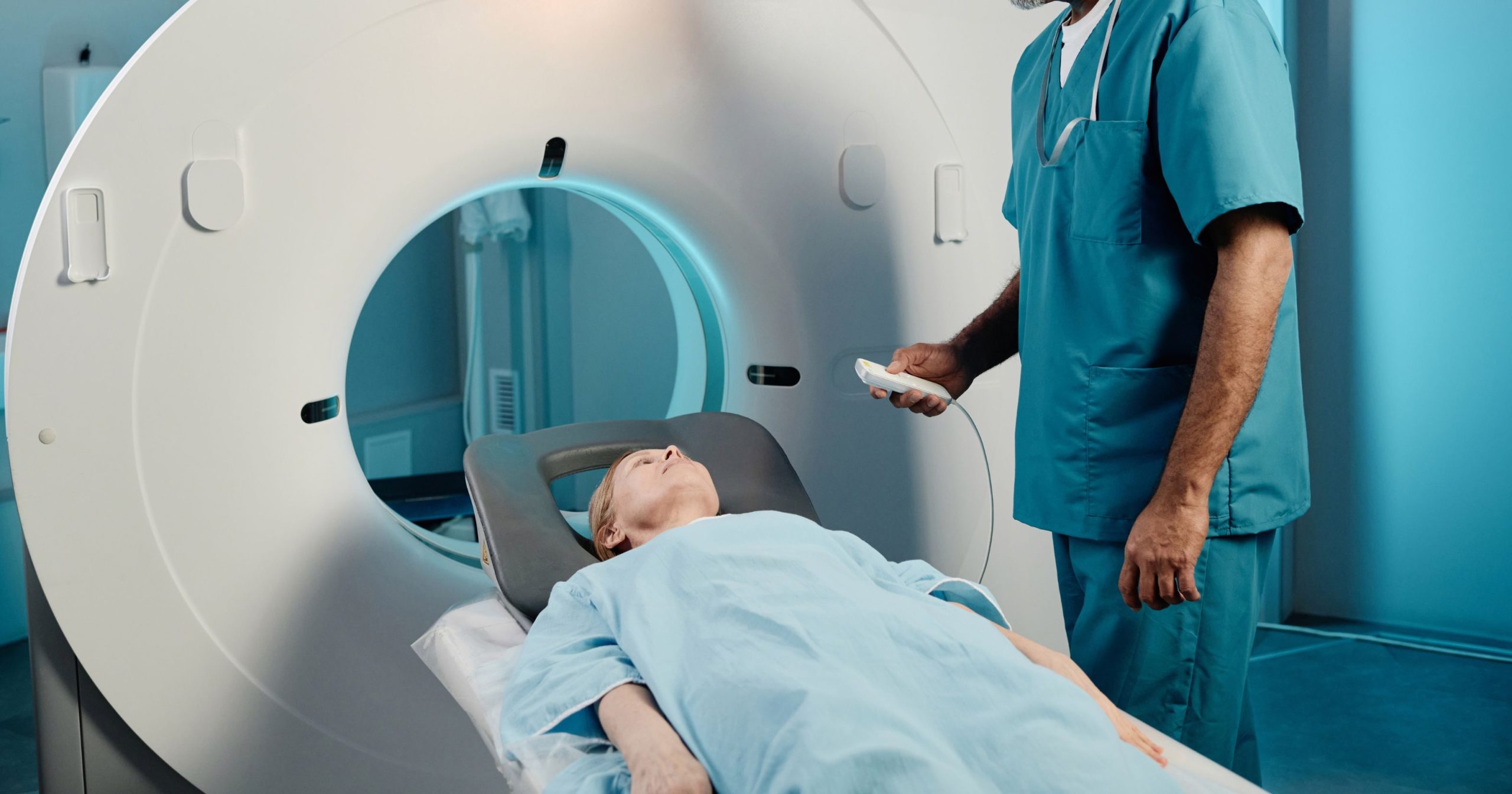
CT scans use a small amount of ionizing radiation to produce detailed images of the body. This is a common source of questions for many patients preparing for the procedure, and understanding some basic medical radiation facts can help make the process feel less unfamiliar.
How CT Scans Use Radiation
Unlike a standard X-ray, a CT scan takes multiple images from different angles, which a computer then combines into detailed cross-sectional views of the body. This process does involve a higher radiation dose than a single X-ray, but the exact amount depends on factors such as the area being scanned, the patient’s size, and the specific type of equipment used. Radiology teams are trained to use the lowest dose necessary to obtain images that are clear enough for an accurate evaluation.
Are CT Scans Considered Safe?
According to health authorities, CT scans are generally considered safe, and the level of radiation involved is carefully regulated. Reviewing established medical radiation facts helps explain why this regulation exists: imaging equipment is subject to strict calibration and monitoring standards designed to keep exposure within recognized safety limits. Healthcare providers weigh the benefits of the information gained against any potential risks before recommending the exam, which means a CT scan is typically only ordered when the diagnostic value is expected to outweigh the relatively small risk associated with the radiation dose.
Special Considerations for Certain Patients
Patients with specific concerns about radiation exposure, including pregnancy or frequent imaging studies, are encouraged to discuss these directly with their healthcare provider. Reviewing individual medical radiation facts with a provider allows for a more personalized conversation, since factors like age, medical history, and the number of previous scans can all influence how a physician approaches the decision to recommend further imaging. In many cases, alternative imaging methods that do not involve ionizing radiation, such as ultrasound or MRI, may also be considered depending on the clinical question being addressed.
Understanding Cumulative Exposure
Because radiation exposure from medical imaging can add up over a lifetime, it is reasonable for patients to keep a general record of past scans, particularly if they have undergone several CT studies over the years. Sharing this history with a healthcare provider allows them to factor prior exposure into their recommendations. Reviewing these medical radiation facts as part of a broader conversation about imaging history supports informed decision-making without discouraging necessary studies, since the goal is always to balance diagnostic benefit with responsible use of radiation-based technology.
Making an Informed Decision
Ultimately, the decision to move forward with a CT scan is a collaborative one between a patient and their healthcare provider. Asking questions about why the scan is being recommended, what alternatives might exist, and how the results will guide treatment can help patients feel more confident about the process. This kind of open conversation is generally the most reliable way to address any remaining concerns about the exam.