
Hyperbaric oxygen therapy has become a topic of growing interest as more people learn about its applications beyond traditional uses like decompression sickness. For those exploring this treatment option, a natural first question arises: who are the appropriate hyperbaric therapy candidates, and what factors go into that determination?
What the Therapy Involves
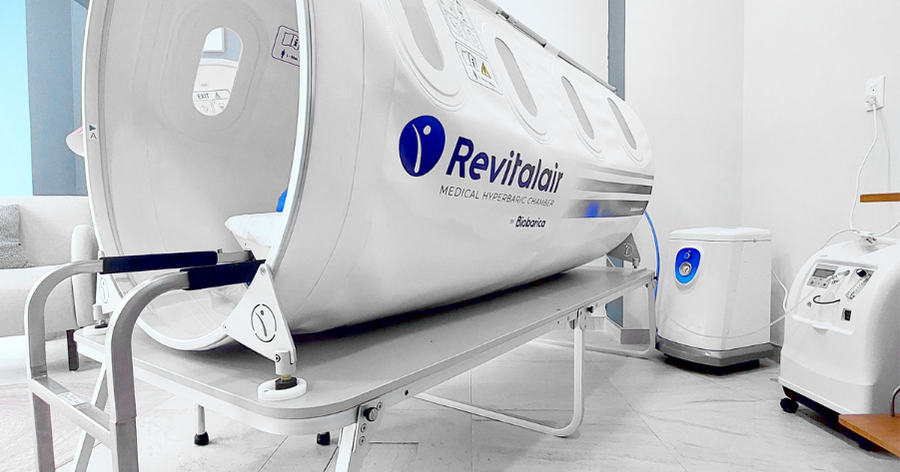
Hyperbaric oxygen therapy involves breathing pure oxygen inside a pressurized chamber, which allows the lungs to gather more oxygen than would be possible under normal atmospheric conditions. This increased oxygen level in the bloodstream can support the body’s natural healing processes in specific clinical situations. The treatment typically takes place in sessions lasting between one and two hours, depending on the condition being addressed and the treatment plan established by a physician.
Conditions Commonly Considered
Medical literature identifies a range of conditions for which hyperbaric oxygen therapy may be considered. Individuals recovering from certain surgical procedures may be evaluated for this therapy to support tissue healing, as may people managing burns, since oxygen-rich environments can play a role in recovery for some burn injuries. Other examples include certain non-healing wounds, specific infections, carbon monoxide poisoning, and some post-radiation complications. Determining whether someone falls among appropriate hyperbaric therapy candidates requires a physician’s evaluation of their specific medical history, current condition, and treatment goals. Not every condition responds to this therapy, and a proper diagnosis is the starting point for any consideration of treatment.
The Evaluation Process
Before beginning hyperbaric oxygen therapy, a physician typically reviews a patient’s full medical history, including any prior surgeries, chronic conditions, and medications currently in use. This evaluation helps identify whether the therapy aligns with the patient’s needs and whether any precautions should be taken. Conditions such as certain lung disorders or a history of specific ear problems, for example, may factor into how a physician approaches this decision. This is why identifying hyperbaric therapy candidates is a process guided entirely by clinical judgment rather than general assumptions.
What Happens During a Session
During a session, patients rest comfortably inside the chamber while pressure is gradually increased to the prescribed level. Most people describe the sensation as similar to the ear pressure felt during an airplane descent. Sessions are monitored by trained staff throughout, allowing any questions or concerns to be addressed as they arise. The controlled, gradual nature of pressure changes is part of what makes the treatment approach a safe environment when properly supervised.
Who Typically Consults About This Therapy
People considering hyperbaric oxygen therapy often arrive at the conversation through a referral from a treating physician who has identified a specific clinical indication, such as a patient in post-surgical recovery or someone being treated for a burn injury. Others may have read about the therapy and want to understand more about whether their situation could align with recognized indications. In either case, the path toward becoming one of the hyperbaric therapy candidates for treatment begins with a conversation grounded in individual medical circumstances.
The Importance of Individualized Assessment
Because outcomes and appropriateness vary significantly from one person to another, no two treatment plans look exactly alike. Some individuals, such as those recovering from a single surgical procedure, may require a short course of sessions, while others with more complex conditions, including extensive burns or chronic non-healing wounds, may need an extended series over several weeks. This individualized approach reflects how thoroughly hyperbaric medicine relies on precise, condition-specific evaluation rather than a one-size-fits-all protocol.
Moving Forward With Informed Decisions
Anyone curious about hyperbaric oxygen therapy is encouraged to speak with a physician who can review their medical history and clinical needs in detail. This conversation is the most reliable way to determine whether the therapy fits a person’s specific situation, since a proper assessment considers factors that go well beyond general interest in the treatment itself.