Large-scale public gatherings, including sporting events, concerts, festivals, and community celebrations, often call for a level of medical planning that goes beyond what a venue’s regular operations require. This is where event medical coverage becomes part of the conversation for event organizers, venue managers, and public safety teams alike.
Event medical standby coverage refers to the presence of trained medical personnel and appropriate equipment on-site during the timeframe of an event. Rather than relying solely on external emergency response systems, this approach places a dedicated layer of care directly within the venue or event grounds, ready to respond the moment a need arises.
Levels of Coverage
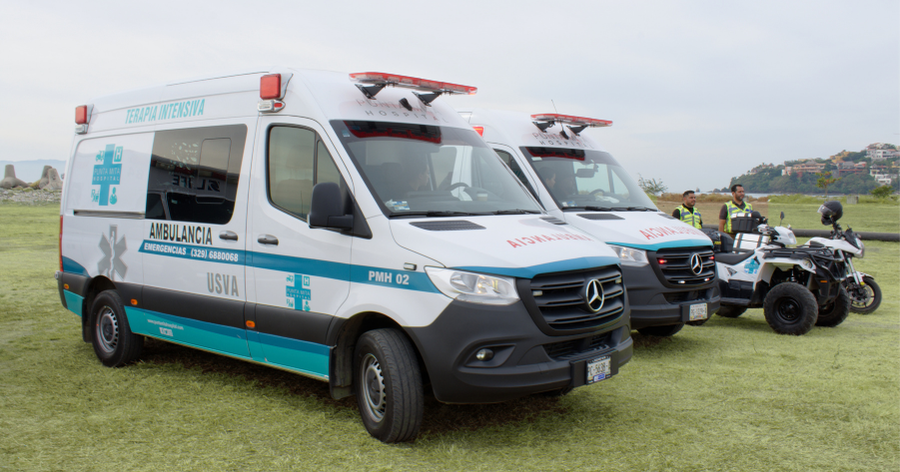
The scope of event medical coverage can vary widely. For a smaller gathering, coverage might consist of a single first aid station staffed by certified responders. Larger or higher-risk events, those involving extreme heat, physical activity, large crowds, or extended hours, may call for a fully equipped ambulance, multiple response teams, or even a temporary medical tent with supplies for a broader range of situations. For events with a higher likelihood of critical incidents, an ICU ambulance may be included as part of the coverage plan, offering advanced life support capability on standby throughout the event. The appropriate level depends on factors such as expected attendance, the nature of the activities taking place, weather conditions, and the layout of the venue itself.
How Coverage Levels Are Determined
Event organizers typically work with medical providers well ahead of the event date to assess these variables and agree on a coverage plan. This planning process often includes reviewing the event’s schedule, identifying potential risk points, such as stages, sports fields, or areas with alcohol service, and mapping out access routes for any vehicles that may need to reach or leave the site quickly. The result is a coverage plan tailored to the specific circumstances of the event rather than a generic template.
Why On-Site Presence Matters
Having trained personnel present on-site can shorten the time between an incident occurring and a first responder arriving. For minor situations, such as dehydration, minor cuts, or heat-related discomfort, this can mean a faster, more comfortable resolution. For more serious situations, on-site personnel can provide immediate initial assessment and stabilization while coordinating with local emergency services for further care if needed. This layered approach is part of why event medical coverage has become a standard consideration for many types of public gatherings.
Coordination With Local Emergency Systems
Even with dedicated on-site coverage, event medical planning is not meant to replace local emergency medical services. Instead, it works alongside them. Clear communication channels between on-site teams and regional emergency responders help ensure that, if a situation requires transport to a hospital or additional resources, that transition happens smoothly and without unnecessary delay.
A Growing Consideration for Event Planning
As public events continue to draw larger crowds and take on more complex formats, event medical coverage has increasingly become part of standard event planning conversations, alongside logistics like security, transportation, and crowd management. Reviewing medical coverage needs early in the planning process allows organizers to make informed decisions that reflect the specific nature of their event.
The presence of on-site medical personnel and equipment reflects a broader approach to event safety, one where preparation and proximity work together to support attendees throughout the duration of an event.